Your Flat Screen Is Lying to You: The Hidden Cost of Watching Live Football on Delay
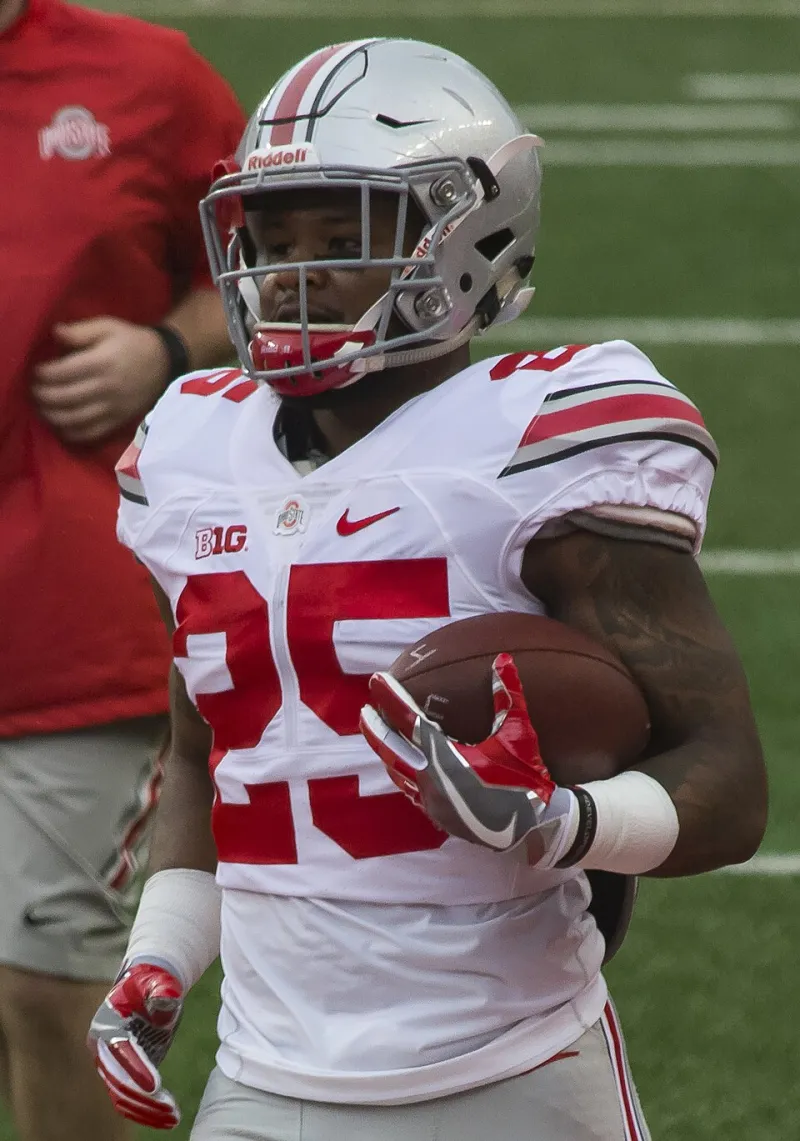
Photo: Paula R. Lively from Zanesville, CC BY 2.0, via Wikimedia Commons
There is a moment in every live football broadcast when the crowd reacts before your screen does. You hear the roar, maybe see the sideline erupt, and then the picture catches up. In that gap, a lot of money changes hands. Live betting markets are not just prices on a game. They are prices on information, and not everyone gets that information at the same speed.
The feed you watch is not the feed the book watches
A typical over-the-air NFL broadcast can run several seconds behind the live action. Cable adds a little more. Streaming apps can add much more, especially on a crowded home network. Meanwhile, sportsbooks are usually plugged into direct data feeds, stadium statistics systems, or fast commercial providers. They are not waiting for the announcer to say ‘that looks like a catch.’
That means your TV is often a rearview mirror. If you see a big play and immediately smash a live bet, the book may have already moved the number. Worse, the book may have suspended the market entirely while it waits for the next snap. The bettor who thinks he is exploiting a slow book is often the slow one in the room.
Where stale prices actually show up
Stale prices do not appear randomly. They show up when information is changing faster than the market can digest it. A quarterback limps after a hit. A replay review drags on. A coach challenges a spot. A flag flies late. A key receiver goes to the medical tent. In those windows, some books freeze. Others repricing quickly. A few lag behind on secondary markets like totals, player props, or the next drive.
The edge is not ‘I saw it on TV, so I know what happens next.’ The edge is knowing which market is slow, why it is slow, and whether the book will accept your bet before it catches up. That is a much narrower and more technical skill than most live bettors want to hear.
NFL Sundays: the commercial-break trap
NFL broadcasts are built for commercial breaks, and commercial breaks are built for confusion. After a punt, a turnover, or a scoring play, the broadcast cuts away. You get a truck ad, a beer ad, and a graphic about fourth-down tendencies. The live market may still be sitting there, waiting. A bettor watching at home may think the break gives him time to think. It usually gives the book time to reprice.
Consider a tied fourth-quarter game. The home team punts from its own 40. Your screen goes to commercial. The live total sits at 44.5. You believe the field position and clock make the under live. But by the time the broadcast returns, the market may already reflect the new drive, the timeout situation, and the coach’s conservative reputation. If you bet during the break based on the pre-punt picture, you are betting on yesterday’s information.
The same goes for injury commercials. A broadcaster says a player is ‘questionable to return’ while the sideline reporter is still gathering facts. The live market may have already priced the backup. If your feed is slower than the book’s, the ‘news’ you just heard is already old.
College football moves faster than your stream
College football is worse because the pace is less predictable. A hurry-up offense can snap the ball while your streaming app is still showing a replay of the previous play. A targeting review can take five minutes on television and thirty seconds in the data feed. A coach may go for it on fourth down in a spot where the broadcast crew is still debating field position.
Imagine you are watching an SEC game on a streaming service with a 20-second delay. The favorite throws a 40-yard pass to the 5-yard line. Your screen shows the catch, the crowd, and the replay. By the time you open the live betting tab, the next play may already have happened. If it was a touchdown, the live line has moved. If it was a turnover, the live line has moved the other way. You are not trading on the future. You are trading on a delayed highlight.
RedZone is a highlight show, not a trading terminal
RedZone is fantastic television and a terrible latency tool. It jumps between games, often right after a big play or right before a scoring opportunity. You see a touchdown in one window, then the channel flips to another game at the 2-yard line. Your brain screams ‘bet the touchdown.’ The market may already know the result, the extra point, and the next drive.
RedZone also creates a false sense of omnipotence. You see seven games at once and feel like you know the whole league. But you are seeing a produced show, not a raw data feed. The producer decides what you see and when. The book does not. That gap is where broadcast-fed bettors get trapped.
True latency edge vs. the illusion of knowing
A real latency edge requires faster or better information than the market. That might mean a direct play-by-play feed, a stadium radio broadcast with less delay, or a data tool that flags injuries before the TV crew does. It also requires a book that is slow to suspend or slow to reprice. That combination is rare, and it is not the same as watching a game and feeling smart.
The illusion of knowing is more common. You see a quarterback complete a pass and assume the next play is a touchdown. You see a running back get stuffed and assume the drive is dead. Live markets are not that simple. They price down, distance, clock, timeouts, personnel, weather, and coaching tendencies. Your eyes are useful. They are not a data feed.
A practical pre-bet check
Before you bet live, check your feed. Is it over-the-air, cable, or streaming? How far behind does it feel? Compare the book’s live line to the broadcast. If the market moves before your screen does, you are the slow money. If the market freezes while your screen shows a big play, wait. Do not chase the number.
Then ask what the bet is actually based on. If it is based on something you just saw on TV, assume the book saw it first. If it is based on a market that has not adjusted to a slower-moving factor — a personnel change, a weather shift, a coaching pattern — you may have a case. The difference is subtle, but it is the whole game.
The takeaway
Live football betting punishes bettors who confuse entertainment with information. Your flat screen is not a trading terminal. It is a delayed window into a fast-moving market. The sharpest live bettors are not the ones who react fastest to what they see. They are the ones who know what their screen cannot show them — and who refuse to pay for the gap.


