The Other Scoreboard: What US Bettors Really Owe When the IRS Reviews a Winning Year
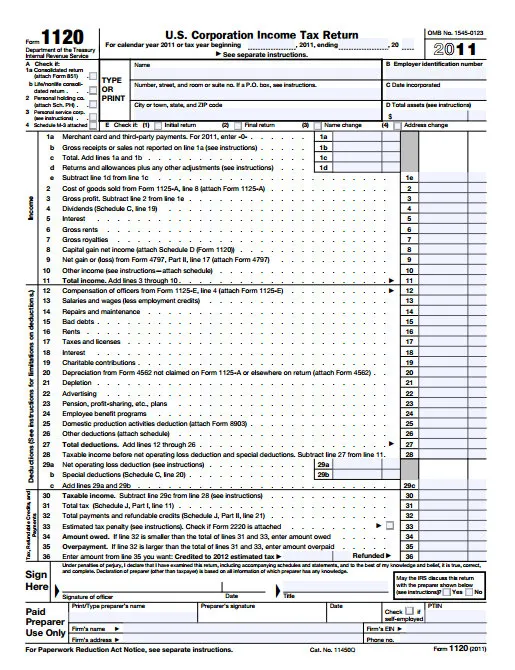
Photo: Internal Revenue Service, Public domain, via Wikimedia Commons
Most bettors can quote a moneyline, explain a teaser, and argue about closing line value for an hour. Ask them what they owe the IRS after a good year, and the room gets quiet. That is the real edge nobody wants to work on. In 2026, US sportsbook and casino players are still dealing with a paperwork system that does not care how sharp your picks were. It cares about records, thresholds, and whether you can prove what happened.
The number that matters after the final whistle
Your sportsbook balance is not a tax document. It is a ledger entry inside a private company’s system. The IRS wants to know about gambling winnings, and in most cases it expects you to report them as ordinary income. Losses may help, but usually only up to the amount of winnings and only if you itemize. That is a very different sentence from ‘I had a winning year, so I’m fine.’
This is where casual bettors get humbled. A bettor who wins $12,000 across a year but loses $9,000 may feel like they cleared $3,000. On paper, the tax treatment can look harsher than that, especially if they cannot itemize or cannot document the losses. The taxman is not grading your net worth. He is grading your reporting.
Federal withholding is not the same as your tax bill
There is a lot of confusion around the $5,000 and 300-to-1 rules. The short version: federal withholding can kick in when gambling proceeds exceed $5,000 and the winnings are at least 300 times the amount wagered. A sportsbook may also issue a W-2G for certain wins at $600 or more when that 300-to-1 test is met. But withholding is not the final word. It is a prepayment. You may owe more, or you may get some back, depending on the rest of your return.
That distinction matters because bettors treat a W-2G like a finish line. It is not. It is a flag. If you had a $6,000 payout on a long-shot parlay and the book withheld 24%, do not assume the matter is closed. Your total gambling income, your losses, your state rules, and your filing status all still matter.
Your sportsbook summary is not a tax return
Annual win/loss statements are convenient. They are also not official tax records, and they rarely tell the whole story. Some books report by calendar year. Some separate sportsbook and casino activity. Some include bonus bets, promo credits, or adjusted payouts in ways that confuse the total. If you rely only on the summary, you may miss sessions, overstate losses, or understate winnings.
Session records are more useful. For each session, log the date, venue or app, event, wager type, stake, odds, return, and net result. If you play casino games, note the game, denomination, time played, and buy-in or cash-out where possible. This is not busywork for neat freaks. It is your defense if the IRS asks why your reported income looks different from a book’s summary.
Build a session log before you need it
The worst time to reconstruct a year of betting is February, with a tax deadline on the horizon and a phone full of screenshots. Start now. A simple spreadsheet is enough. Date, book, event, stake, result, running total. Add a column for withdrawals and deposits so you can separate bank movement from actual gambling results. If you use multiple apps, keep one master sheet. If you play in person, keep paper tickets or photograph them before they fade.
This habit also makes you a better bettor. When you see your real session totals, you stop lying to yourself about that ‘roughly break-even’ month. The tax file and the betting file become the same file. That is uncomfortable, but it is useful.
Crypto is not a paperwork loophole
Crypto sportsbooks have a certain appeal: fast deposits, fast withdrawals, and a feeling of distance from traditional banking. The tax code does not share that feeling. Buying crypto, swapping it, betting with it, and receiving payouts can all create taxable events. A 1099-DA may report gross proceeds, but it may not tell the full story of your cost basis, transfers, or losses. Wallet-to-wallet movement is not automatically income, but sloppy records can make it look like it is.
If you bet with crypto in 2026, keep a separate log: purchase date, amount, price, transfer fees, betting stake, payout, and withdrawal. Do not assume the blockchain is your accountant. It is a public receipt, not a tax return.
State rules are where good years go bad
Federal rules are only half the game. Some states tax gambling winnings as ordinary income. Some withhold state tax at the source. Some have no state income tax at all. Some treat professional gambling differently from casual gambling. If you bet across state lines or move during the year, the paperwork can get messy fast.
This is why the question ‘What do I owe?’ is incomplete. The better question is ‘What do I owe, to whom, and based on which records?’ A tax professional who knows your state and your betting volume is worth more than another tout subscription.
Questions to bring to a tax pro
Walk in with specifics, not vibes. Ask whether your activity looks casual or professional for tax purposes. Ask whether you can itemize and how your losses should be documented. Ask how your state treats sportsbook and casino winnings. Ask how crypto deposits and withdrawals should be reported. Ask what records they want to see and whether you should make estimated payments during the year. Ask what happens if a W-2G shows a gross payout that feels larger than your actual profit.
Do not wait until March to ask. The bettor who keeps clean records all year gets better answers than the bettor who shows up with a shoebox of screenshots and a hopeful expression.
The bottom line
The IRS is not impressed by your ROI. It is interested in your receipts. In 2026, the US bettor who treats taxes as part of the game — not an afterthought — is the one who keeps more of what they win. Bet bold, win big, play smart. But keep the paper trail. The other scoreboard is always keeping score.